

Difference between mechanical and quartz watches
Nowadays, more and more people buy watches, and I see that many friends are asking whether mechanical watches are better or quartz watches, and what is the difference between mechanical watches and quartz watches? In this regard, we can say that they do not exist which one is better. Whether it is a quartz watch or a mechanical watch has its own advantages and shortcomings, and also has its own different characteristics. Choosing which one is better depends on the user's preference and usage habits. Take the following, I'll introduce it to you.
Simply put, quartz watches are accurate, 30 times more accurate than mechanical watches on average, inexpensive and stylish. And mechanical watches have high technical content, high playability, and high-grade mechanical watches have high collection value. And where the upscale watches are mechanical watches, such as tourbillon, perpetual calendar, chronograph, etc. are mechanical watches of the top technology, especially the tourbillon watch, even if it is a domestic generally have to be tens of thousands of dollars, not to mention those Swiss brands.
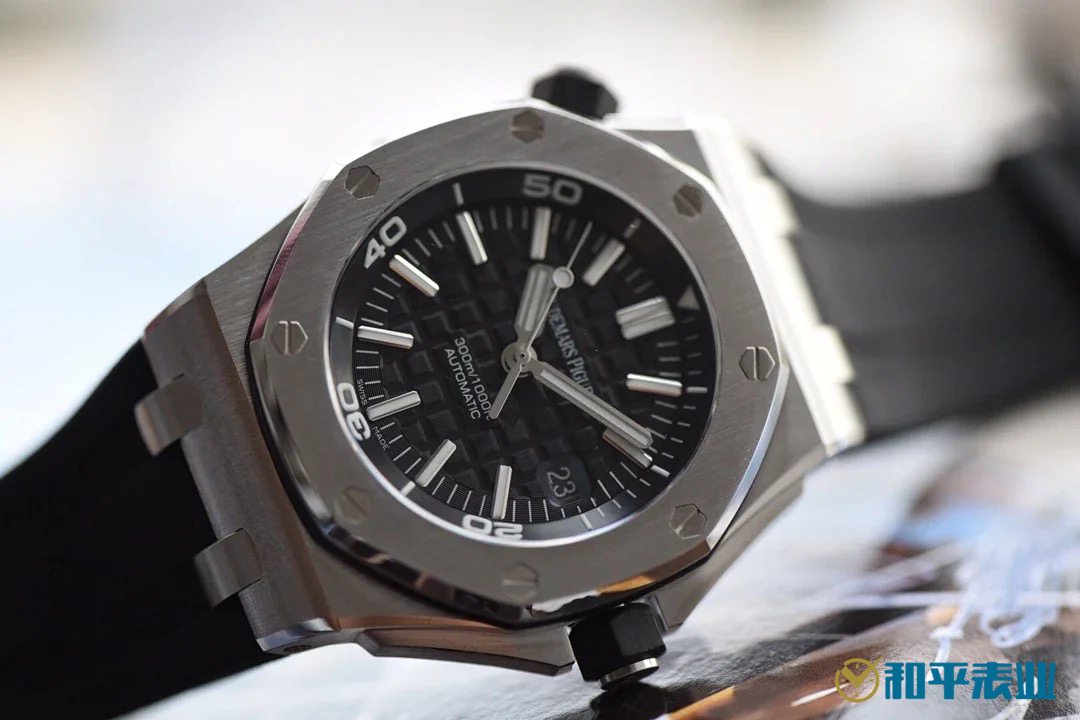
- Manual Mechanical Watches
Advantages: no batteries, longer service life, accurate timekeeping, and can adjust the movement to go faster or slower.
Disadvantages: need to be wound regularly
-
Automatic Mechanical Watches
Utilizes the rotation of the rotor in the case to drive the electric energy and stores the energy using IC control. It is necessary to utilize the usual wrist movement to keep the energy generated.
Advantage: Motion is energy. No need for battery replacement. Eternal power!
Disadvantages: case thicker, must ensure that eight hours a day wearing time, and maintain a certain amount of exercise!
-
Quartz watches
Quartz watch is a new generation of automatic timekeeping watch using electronic technology, using the crystal piece of the "vibration phenomenon" principle to realize the timekeeping, the quartz watch is a new generation of automatic timekeeping watch using electronic technology.
Advantages: accurate timekeeping, thin and light, fashionable.
A mechanical watch with an error of 15-30 seconds in a day can be considered normal. The smallest error can reach only 4-5 seconds. A quartz watch usually has a monthly error of 15-25 seconds; the smallest error is only 5 seconds a year.