How Many Types of Mechanical Keyboard Keycaps Are There and What Are the Differences?
Mechanical keyboards, a staple for wireless keyboard gaming and productivity, derive their versatility from diverse keycap designs. Whether optimizing a Gaming RGB keyboard or customizing an OEM parts keyboard, understanding keycap differences is key. Here’s a concise guide:
1. Material Matters
- ABS Plastic: Common in prebuilt Mechanical Keyboard and Wireless Keyboard models, ABS is lightweight and affordable but prone to wear.
- PBT Plastic: Durable and textured, ideal for wireless keyboard gaming marathons, akin to the resilience of automatic mechanical watch components.
- POM Plastic: Rare, with a glossy finish—similar to luxury Watch Accessories—favored for premium builds.
2. Profile Variations
- OEM Profile: The standard height for most OEM parts keyboard setups, balancing comfort for typing and gaming.
- Cherry Profile: Shorter design, popular in Gaming RGB keyboard builds for faster response.
- SA/XDA: Tall, sculpted profiles emphasizing aesthetics, mirroring the artistry of Mechanical Watch craftsmanship.
3. Functional Designs
- Shine-Through: Backlit legends for Gaming RGB keyboard illumination, like the precision of a Quartz Watch display.
- Low-Profile: Slim caps for Wireless Keyboard portability, reflecting the minimalist appeal of modern Watch Accessories.
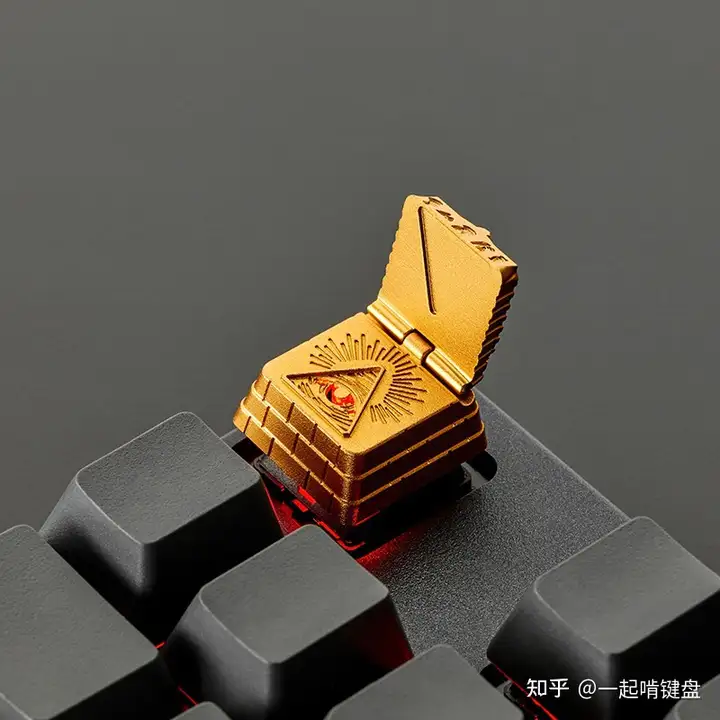
- Artisan Caps: Handcrafted designs, comparable to bespoke automatic mechanical watch dials, targeting collectors.
4. Niche Applications
Hybrid textures and modular layouts cater to specialized needs—much like how Mechanical Watch enthusiasts pair straps for style and function.
Whether building a silent Wireless Keyboard for work or a vibrant wireless keyboard gaming rig, keycaps shape your experience. Just as automatic mechanical watch aficionados value movement mechanics, keyboard users prioritize tactile harmony.
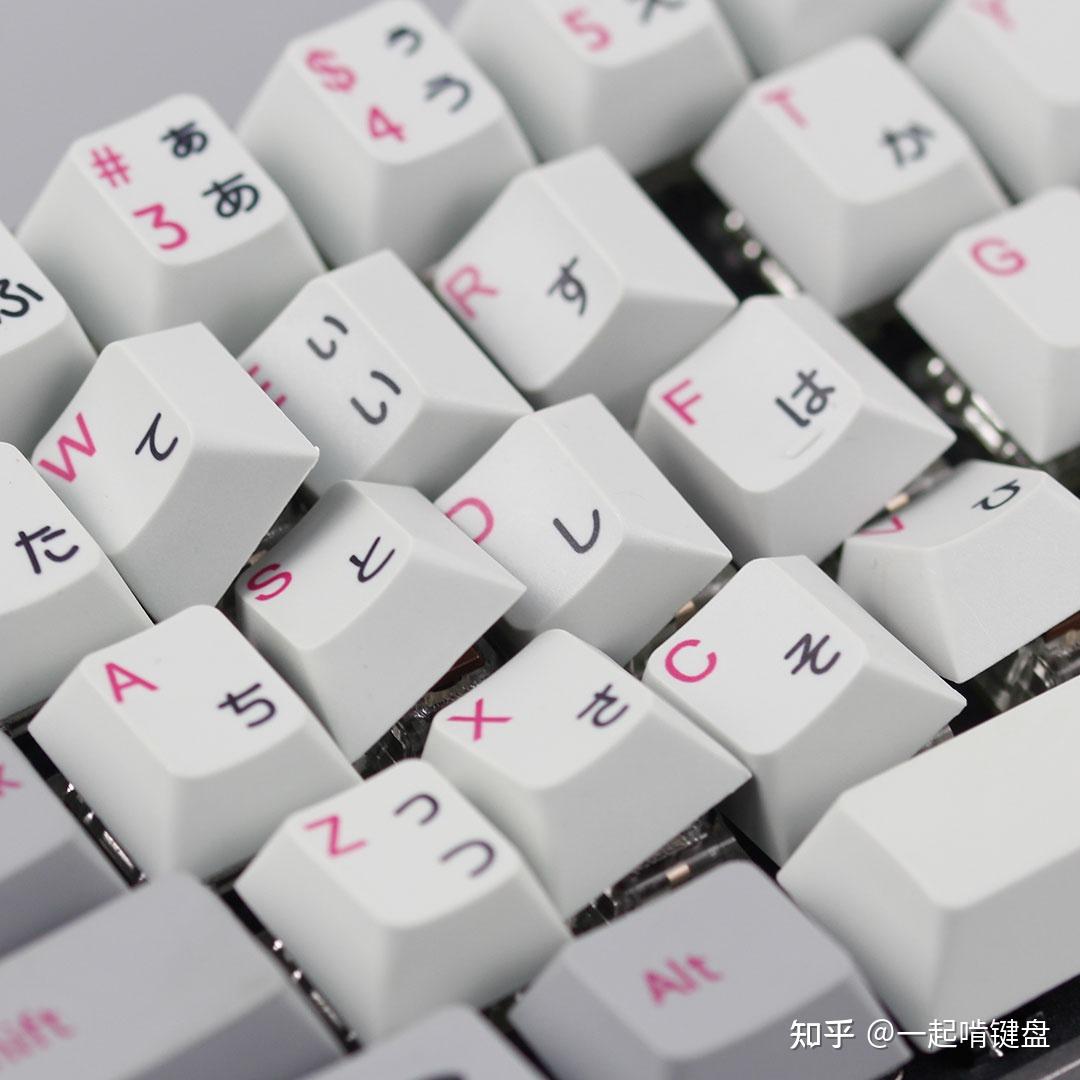
If the shaft determines the basic feel of the mechanical keyboard, then the keycaps are the icing on the cake for the user's feel in use. Different colors, different processes, different materials of the keycaps will not only affect the face value of the keyboard, but also affect the feel of the keyboard, thus affecting the use of the keyboard experience.
Mechanical keyboard keycaps can be freely replaced, but the price is high, part of the limited edition keycap price can even be compared with the high-end keyboard shoulder, and mechanical keyboard keycap material, although common are plastic, but the different materials do not have the characteristics of the different materials, and there are many other special materials of the keycap, favored by the enthusiasts, just a keycap price can reach thousands of dollars.
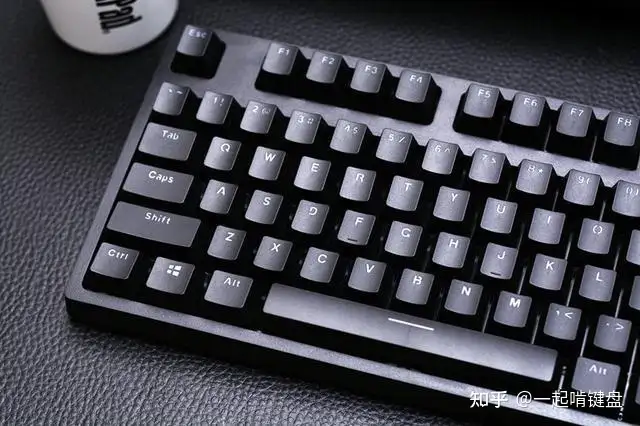
Common mechanical keyboard keycaps can be divided into ABS, PBT, POM three materials, of which ABS in the mechanical keyboard in the highest usage rate, whether it is a few hundred dollars of the popular type of products or thousands of dollars of the flagship keyboard, you can see the figure of the ABS ABS plastic is acrylonitrile (A) - butadiene (B) - styrene (S) of the copolymer, a synthesis of the performance of the three components, with high strength, good toughness, easy processing and other characteristics, and the cost is not high.
It is because of these characteristics, ABS has been widely used, due to the production process is more mature, so the production of keycaps with craftsmanship, exquisite details, texture uniformity, etc. ABS is not only excellent in terms of workmanship, the feel is also very good, extremely smooth.
Although in the process and feel good performance, but the ABS material keycaps have a very obvious shortcomings, due to their own material hardness is not enough, so after a long time of use, the surface will become shiny, which is commonly known as oiling.

After oiling the keycaps not only touch the feel of greasy, looks will also be very bright, does not look clean, especially for friends with sweaty hands is more obvious, so many players are discouraged. So later appeared PBT and POM material keycaps.
PBT refers to polybutylene terephthalate as the main body of a class of plastics, "white rock" reputation. Compared to ABS, it is more difficult to process and more expensive. The strength of the material is excellent, with wear and high temperature resistance, injection molding shrinkage is small. Processing technology is more mature, can be secondary injection molding and other processes for processing, in order to achieve the purpose of never losing words. The keycaps made of PBT are dry and hard to the touch, and the surface of the keycaps has a delicate frosted feeling.
PBT and ABS compared to the biggest advantage is wear resistance is significantly higher than the ABS material, the use of PBT material manufactured keycaps in the case of oiling time is significantly longer than the time limit of the ABS material. Due to the complexity of the process and the price of more expensive reasons, this material is usually used in the middle and high end of the keyboard products.
Because of its own shrinkage, POM material in the injection molding is more difficult, the production process, if there is improper control, easy to appear keycap assembly gap is too small, after installing the keycap, pull the key may be pulled down the core even with the problem. Even if the problem of the bottom cross socket being too tight can be solved well, due to the large shrinkage rate of the material, a certain shrinkage texture will be formed on the surface of the keycap.
In addition to the above regular three types of keycaps, there are also some rare keycaps that are not mass-produced - DIY customized keycaps.